10 Reasons Why Mouse P.I. for Hire Deserves Better on Nintendo Switch 2
Mouse P.I. for Hire is a delightful throwback that blends the quirky charm of 1930s rubberhose animation with the adrenaline-pumping action of classic Doom-style shooters. Its hand-drawn visuals and clever level design have won over critics, but the Nintendo Switch 2 version stumbles with performance issues that mar an otherwise stellar experience. In this listicle, we break down ten things you need to know about the game, from its stellar art direction to the technical hiccups that hold it back.
1. A Visual Feast: Rubberhose Animation at Its Finest
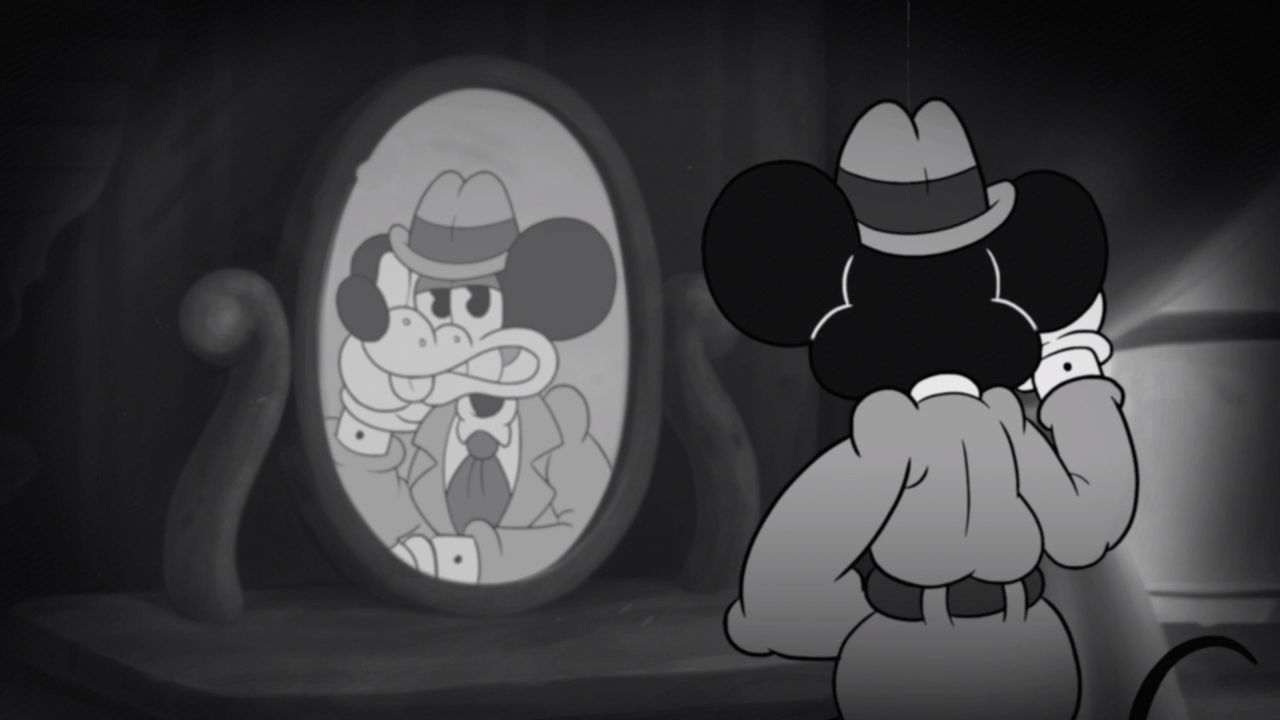
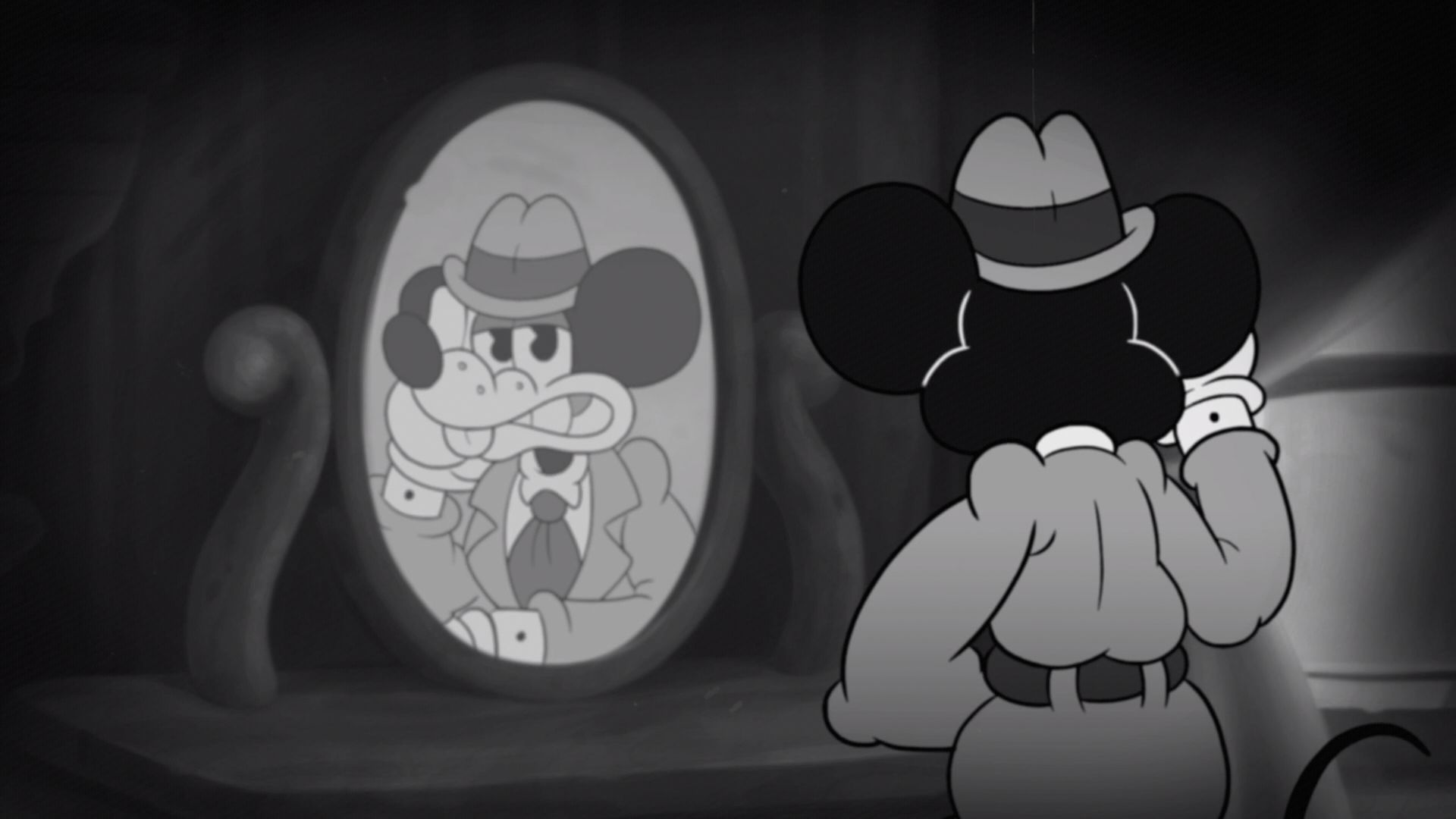
The game’s rubberhose animation style is nothing short of mesmerizing. Characters bounce, stretch, and distort like classic cartoons from the golden age of animation. The palette is deliberately muted, evoking old sepia-tone films, yet every frame pops with personality. Each enemy type has exaggerated movements—a nod to early Disney and Fleischer Studios. This visual approach isn’t just cosmetic; it’s integral to the gameplay, as enemy tells are more readable thanks to the over-the-top animations. On PC, this runs buttery smooth, but on Switch 2, frame drops during hectic combat break the illusion, making the lovely animation stutter.
2. Doom-Inspired Gameplay with a Twist
At its core, Mouse P.I. for Hire is a fast-paced first-person shooter reminiscent of Doom. You strafe, dodge, and unleash a shotgun-like blast against waves of cartoonish monstrosities. But the twist comes from the “detective” mechanic: you solve simple puzzles between fights, like finding clues or decoding messages. This hybrid keeps the action from becoming monotonous. The level design encourages exploration, with secrets tucked behind breakable walls. Unfortunately, the fluidity of movement—critical for dodging enemy projectiles—takes a hit on Switch 2 due to inconsistent frame pacing, as detailed in item 7.
3. The Soundtrack: A Jazz-Infused Noir
The audio design perfectly complements the visual style. A smoky jazz score with saxophones, double bass, and brushed drums sets a noir detective mood, punctuated by squeaky rubber sounds and exaggerated crashes when you defeat foes. Each weapon has a satisfying, cartoonish report—think old Warner Bros. gunshots. On Switch 2, the music remains intact, but during heavy combat, the audio sometimes desyncs with the visuals, a lesser but noticeable issue that breaks immersion. The developers clearly poured love into the sound, and it’s a shame the hardware can’t always keep up.
4. Unique Weaponry: From Tommy Gun to Rubber Glove
Your arsenal is a delightful mix of exaggerated firearms and cartoon gimmicks. The standard Tommy gun fires in tight bursts, while the “Rubber Glove” slaps enemies with a comical boing and sends them ragdolling. Later levels introduce a bubble gun that traps foes in floating spheres—pop them for area damage. Each weapon has a distinct feel and use case, encouraging experimentation. On Switch 2, however, weapon switching can sometimes lag by a fraction of a second, which in a fast-paced shooter can cost you a health pack. This input delay is a minor but recurring annoyance.
5. Challenging Enemy Variety
From googly-eyed thugs to animatronic sewer gators, enemies are designed to test your reflexes. Each type has a unique attack pattern: umbrellaeers charge with umbrellas, jester bombs explode on death, and boss fights feature multi-stage showdowns. The rubberhose style makes their animations telegraph moves clearly—one of the game’s strengths. But on Switch 2, the frame rate dips into the low 20s during dense encounters, causing enemy movements to become less predictable. This is especially frustrating during chase sequences where precise dodging is paramount.
6. Level Design: Verticality and Secrets
Levels are lovingly crafted with multi-tiered environments: cluttered speakeasies, labyrinthine sewers, and a haunted funhouse. You’re encouraged to climb pipes, smash crates, and find alternate routes. Many areas reward thorough exploration with health upgrades or new weapon mods. The vertical design adds a layer of strategic movement, letting you rain fire from above or drop behind enemies. Unfortunately, loading times on Switch 2 are noticeably longer than on other platforms, breaking the flow. The initial boot-up can take over a minute, and transitioning between large zones often shows a loading screen lasting 30 seconds.
7. Performance Problems on Nintendo Switch 2
This is the big one. The Switch 2 version suffers from inconsistent frame rates—targeting 30 fps but frequently dropping to 22-25 in combat. Screen tearing is visible during fast camera pans, and there are occasional hitches when entering new areas. The resolution appears to be dynamic, scaling down to 720p in handheld mode, which makes distant details blurry. While the game is playable, the performance issues sabotage the otherwise smooth gameplay experienced on PC. A patch could fix some issues, but as of now, it’s a compromised port. For a detailed look at how input lag affects play, see item 9.
8. Comparison to Other Platforms
On PC, Mouse P.I. for Hire runs at a stable 60 fps (or higher on good hardware), with crisp textures and no tearing. The PS5 and Xbox Series X|S versions also lock 60 fps with only occasional dips. The Switch 2, despite being a more powerful console than the original Switch, seems to struggle due to poor optimization—likely a quick port without proper profiling. The game’s Unity-based engine should be scalable, but the Switch 2’s custom GPU may need driver updates. If you have a choice, play it elsewhere. But if Switch 2 is your only option, you’re in for a rougher ride.
9. Input Lag and Controller Responsiveness
In addition to frame rate dips, the Switch 2 version exhibits noticeable input lag. When you press the fire button, there’s a delay of about 100ms before the weapon fires—small, but in a game that demands split-second reactions, it’s detrimental. Aiming with the right stick feels floaty, likely due to frame pacing inconsistencies. The gyro aim, a staple of modern Switch shooters, is not supported here, which is a missed opportunity. Compared to the PC version with a high-refresh monitor, the difference is night and day. This issue is compounded by the lack of analog triggers on Switch 2, but the game doesn’t use pressure-sensitive controls anyway.
10. Final Verdict: Hope for a Patch
Mouse P.I. for Hire is a labor of love—a game that successfully merges two unlikely aesthetics into a coherent, enjoyable experience. The writing is sharp, the world is immersive, and the gameplay loop is addictive. But the Switch 2 version is currently held back by technical limitations that don’t affect other platforms. With a performance patch—optimizing the render pipeline, fixing frame pacing, and reducing load times—this could become a must-have on Nintendo’s hybrid console. Until then, approach with caution. The rubberhose magic is there, but it’s wrapped in a stuttering package that frustrates as much as it delights.
In conclusion, if you’re a fan of quirky shooters and can tolerate performance hiccups, Mouse P.I. for Hire on Switch 2 is still worth a look—but for the full experience, stick to PC or other consoles. Let’s hope the developers prioritize a patch, because the game itself deserves a flawless home on every platform.