How to Make Your 3D Printer Earn Its Keep by Printing Practical Things
Introduction
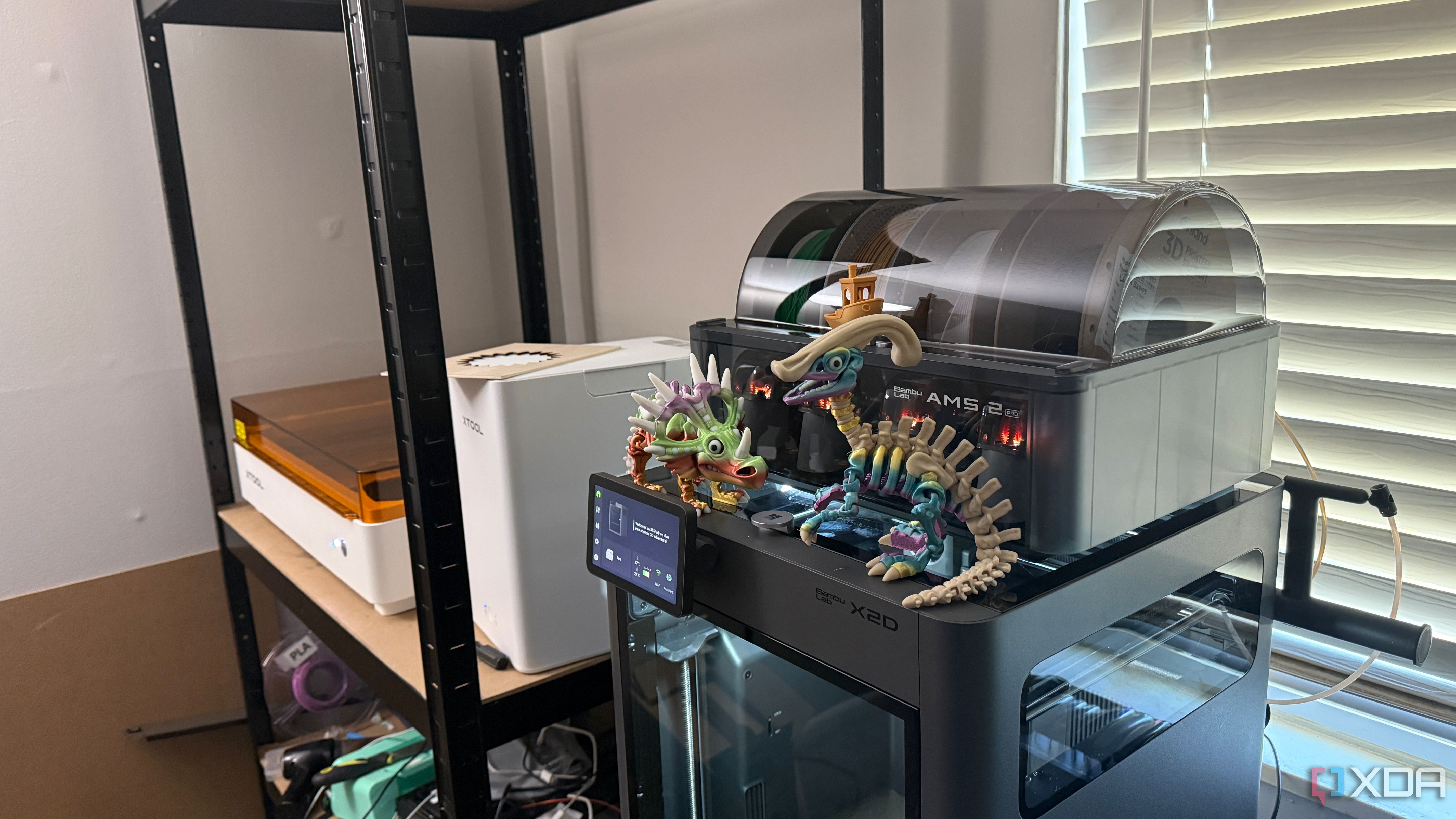
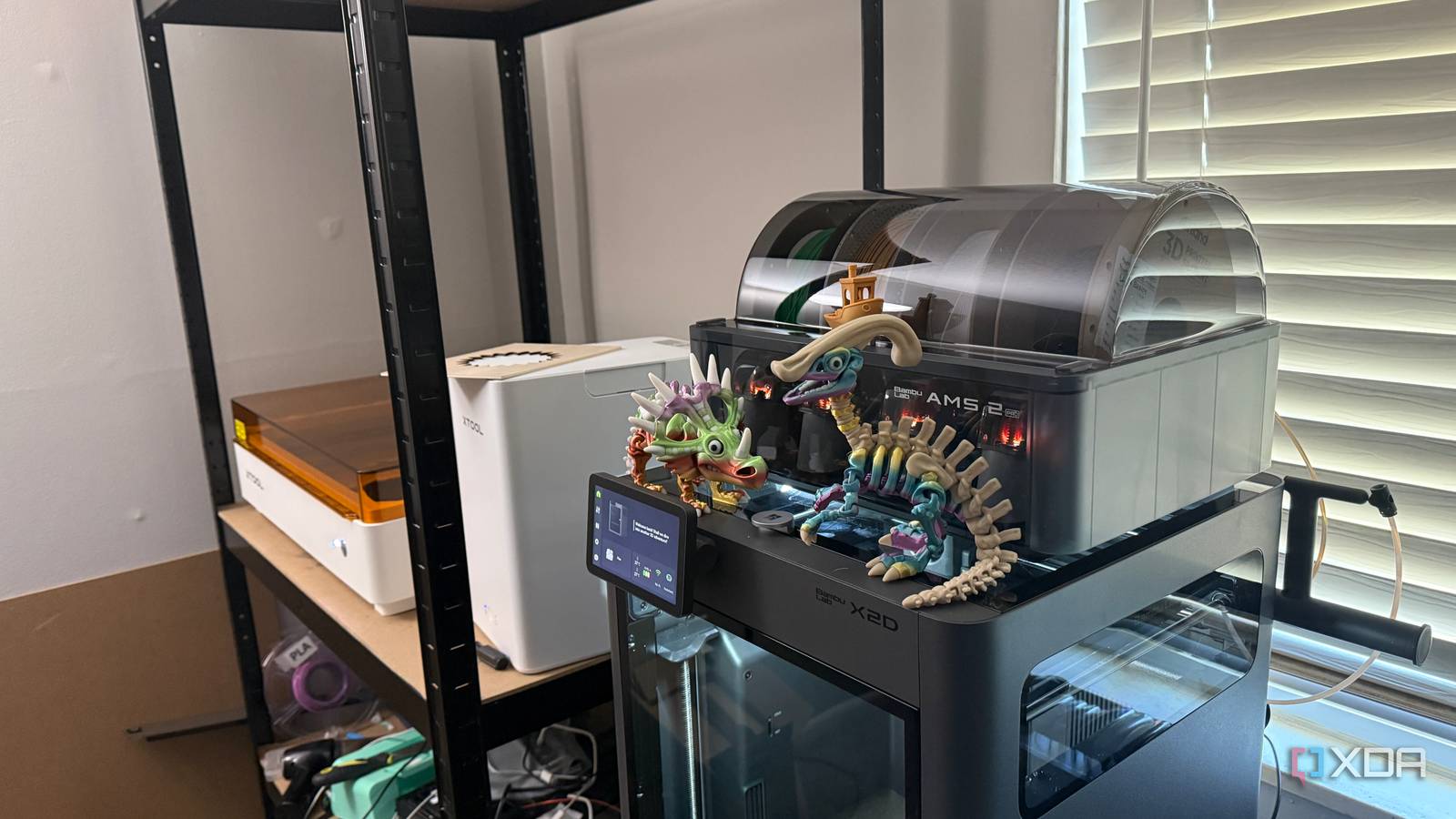
When you first get a 3D printer, it's tempting to fill your desk with dragons, articulated sharks, and intricate castle models. While these prints are fun to show off, they rarely serve a lasting purpose—and your printer starts to feel like an expensive toy instead of a useful tool. The real magic happens when you shift focus to practical, everyday items that solve genuine problems. This guide walks you through the transition from decorative prints to functional ones, helping your printer pay for itself through cost savings and custom solutions.
What You Need
- A reliable 3D printer (FDM or resin, but FDM is best for functional parts)
- Filament in common colors (PLA, PETG, or ABS depending on use case)
- Basic tools: digital calipers, screwdrivers, pliers, deburring tool
- Access to a 3D modeling program (TinkerCAD, Fusion 360, or Blender) or a repository like Thingiverse/Printables
- Notebook or app to track costs and savings
- Patience and a willingness to learn from failed prints
Step 1: Audit Your Home for Practical Needs
Before you print anything, walk through your living space and note everyday problems: broken drawer handles, missing shelf brackets, loose cables, or ill-fitting containers. Prioritize items that you would otherwise buy from a store. For example, a custom phone stand is not just a fun decoration—it saves you $10-$20 and matches your exact needs. Write down five to ten problems you can solve with a printed part.
Step 2: Start with Simple Replacements
Begin with straightforward objects that have existing free models online. Search for replacement clips, drawer pulls, hinges, or spool holders. Print one item at a time and test its fit. This builds your confidence and shows immediate savings. For instance, a pack of ten generic drawer knobs costs $8 online; printing your own costs about $1 in filament.
Step 3: Learn to Measure and Model (or Modify)
Not every problem has a pre-made solution. Invest time in learning basic 3D modeling skills. Using free software like TinkerCAD, you can measure a broken bracket with calipers and recreate it. Many tutorials cover 'parametric design'—creating adjustable models that you can reuse for different sizes. Alternatively, master the art of remixing existing STL files in a slicer (e.g., scaling, cutting, or adding holes).
Step 4: Calculate Cost vs. Buying
Track the material cost of each print (filament weight × price per gram) and compare it to the retail price of a similar item. Log these savings in a notebook. Include electricity and wear, but you'll find that most functional prints save 50–90% compared to buying new. Over time, these small savings add up, and seeing the running total will motivate you to keep going.
Step 5: Replace Consumables with Printed Alternatives
Focus on items you use frequently and would normally buy in packs: cable clips, wall hooks, soap dish holders, vacuum cleaner attachments, or even custom storage bins. These prints see daily use and quickly offset the printer's cost. For example, a set of six cable management clips costs $5 in stores; printing them uses less than 50 cents of filament.
Step 6: Scale Up to Custom Projects
Once you're comfortable with simple parts, tackle larger projects that would be expensive or impossible to buy. Examples: custom organizer inserts for drawers, low-poly planters, replacement parts for appliances, or tools like a center-finding gauge for woodworking. These projects demonstrate the printer's true value and can save hundreds of dollars on specialized gear.
Step 7: Offer Prints to Friends and Family (Optional)
If you've mastered functional printing, consider making items for others. Print custom door stops, key organizers, or garden tool holders. Ask for material cost or a small fee. This turns your printer into a micro-business, accelerating payback. Even a few paid orders each month can cover filament and maintenance.
Tips for Success
- Start with high-use items: Print things you touch every day to maximize utility and satisfaction.
- Don't underestimate design time: Sketch your ideas on paper before opening CAD software—it saves hours.
- Keep a stock of common filaments: Black, white, and gray PLA work for most functional prints. PETG is better for outdoor or heat-exposed parts.
- Maintain your printer: A well-leveled bed and clean nozzle produce better parts that last longer.
- Join communities: Reddit's r/functionalprint and printables.com are goldmines for practical designs and advice.
- Embrace failure: Every failed print teaches you something about tolerances, orientation, or settings. Learn, adjust, and reprint.
By shifting your mindset from 'cool' to 'useful', you transform your 3D printer from a novelty into a money-saving tool. Follow these steps, track your savings, and soon you'll wonder how you ever lived without it.